
How Supermarkets Are Building High-Margin Retail Media Networks
Supermarkets are uniquely positioned to build profitable retail media networks. This guide covers the in-store media formats, technology requirements, advertiser proposition, and revenue potential for grocery retailers entering the retail media space.
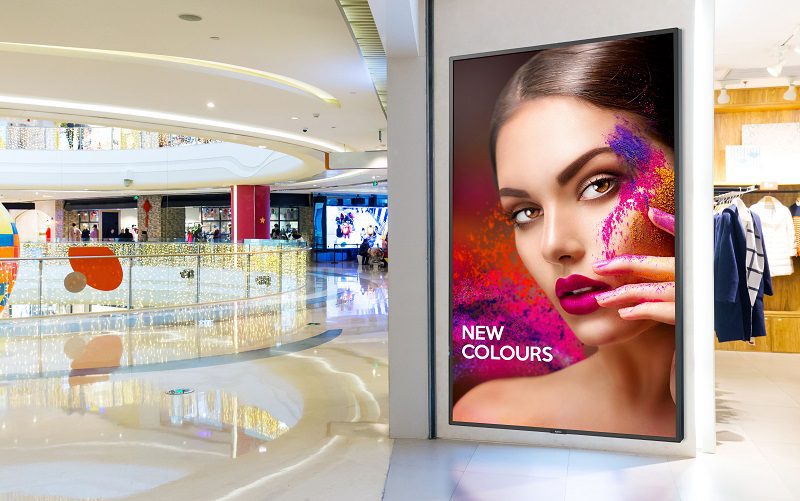
The Grocery Advantage in Retail Media
Supermarkets occupy a uniquely advantageous position in the retail media landscape. They attract high-frequency visits from a broad cross-section of the population, they hold rich first-party data through loyalty programmes that capture nearly every purchase, and they sell the products that FMCG brands spend billions of dollars advertising every year. These three factors combine to create a retail media opportunity that is arguably unmatched in any other retail vertical.
Major Australian grocery retailers have already recognised this opportunity. The largest chains have launched formal retail media networks with dedicated sales teams, self-serve advertiser portals, and measurement capabilities that rival those of major digital media platforms. Mid-market and independent grocers are now following, recognising that retail media represents a structural improvement in the economics of grocery retail at a time when margins are under pressure from multiple directions.
In-Store Media Formats for Grocery Retailers
Grocery stores offer a rich variety of in-store media formats, each with distinct audience characteristics and advertising value. End-of-aisle displays are among the most valuable placements in the store, capturing shoppers as they navigate between categories. Research consistently shows that end-of-aisle placements drive significant sales uplift for featured products. Shelf-edge screens place advertising at the precise moment of category decision, making them highly effective for brand switching and new product launches. Self-checkout screens capture shoppers during a dwell period when they have nothing else to look at, creating a high-attention environment for advertising. Entrance and exit screens reach shoppers at the beginning and end of their visit, suitable for brand awareness and promotional messaging. In-store audio reaches every shopper in the store simultaneously and is particularly effective for time-sensitive promotions and new product announcements.
The FMCG Advertiser Proposition
For FMCG brands, supermarket retail media networks offer something that no other media channel can match: the ability to reach shoppers who are actively in the process of making purchase decisions, with targeting informed by their actual purchase history, and measurement that directly connects ad exposure to sales outcomes. This proposition is compelling enough that major FMCG companies are reallocating significant portions of their trade marketing and brand advertising budgets to retail media.
The key to maximising FMCG advertiser investment is the quality of the audience data and measurement capabilities the retailer can offer. Brands want to know not just how many people saw their ad, but how many of those people subsequently bought their product, and how that compares to a control group that did not see the ad. Retailers that can provide this closed-loop measurement at scale command premium CPMs and build long-term advertiser relationships.
Revenue Potential and Business Case
The financial opportunity from in-store retail media is substantial. Industry benchmarks suggest that a supermarket with 100 stores and a well-managed retail media network can generate between $5 million and $20 million in annual media revenue, depending on the scale of the screen network, the quality of the audience data, and the sophistication of the sales and measurement capabilities. This revenue is largely incremental to the core grocery business and carries margins significantly higher than grocery retail itself.
The business case for investing in retail media network software is straightforward: the technology investment is typically recovered within 12 to 24 months from media revenue, after which the network generates high-margin recurring revenue. The key success factors are choosing a platform that can scale efficiently, building an audience data capability that differentiates the network from competitors, and investing in the sales and marketing resources needed to attract and retain brand advertiser investment.
Adflux Editorial
Retail media, programmatic DOOH, and digital signage insights for Australian retailers.
Ready to build your retail media network?
Talk to the Adflux team about how the platform can work for your screens.