
In-Store Programmatic Advertising: The Complete Guide for Retailers
In-store programmatic advertising automates the buying and selling of digital screen inventory inside physical retail environments. This guide covers how it works, the technology stack required, and how retailers can maximise yield from their screen networks.
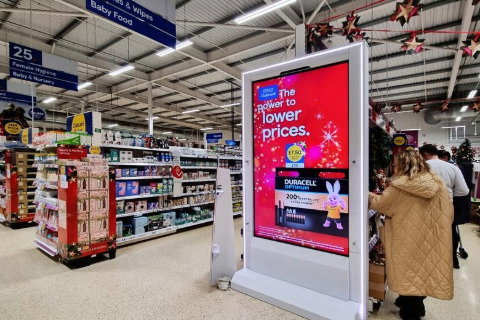
From Manual Bookings to Automated Auctions
For most of the history of in-store digital signage, advertising inventory was sold through direct relationships: a brand's trade marketing team would call the retailer's media sales team, negotiate a rate card, and book a campaign weeks or months in advance. This model worked at small scale but became increasingly inefficient as screen networks grew to hundreds or thousands of locations.
Programmatic advertising, which automates the buying and selling of ad inventory through real-time auctions, transformed digital advertising online. The same technology is now being applied to in-store screens, creating what the industry calls programmatic digital out-of-home (pDOOH) or, more specifically, in-store programmatic advertising.
How In-Store Programmatic Advertising Works
The technical architecture of in-store programmatic advertising mirrors the online programmatic ecosystem but with important adaptations for the physical environment. At its core, the system connects a supply-side platform (SSP), which represents the retailer's screen inventory, with demand-side platforms (DSPs), which represent brand advertisers. When a screen becomes available to show an ad, the SSP sends a bid request to connected DSPs, which respond with bids based on the audience, location, and time of day. The highest bid wins and the creative is delivered to the screen within milliseconds.
The key difference from online programmatic is that in-store screens are shared environments. A single screen in a supermarket aisle might be seen by dozens of shoppers simultaneously, so the audience measurement model is based on impressions estimated from footfall data rather than individual user identifiers. This makes audience data particularly valuable: retailers with loyalty programmes can provide anonymised, aggregated audience segments that allow brands to target their campaigns with precision while preserving shopper privacy.
The Technology Stack for In-Store Programmatic
Running in-store programmatic advertising requires several integrated technology components. The digital signage content management system (CMS) controls what is displayed on each screen and when. It must be capable of receiving and rendering programmatic ad creatives alongside regular brand and promotional content. The supply-side platform manages the inventory, sets floor prices, and conducts auctions. The audience data platform ingests loyalty and transaction data to build targetable segments. The measurement and attribution layer connects ad exposures to purchase outcomes. Finally, the advertiser portal gives brand partners visibility into their campaigns and results.
Integrated platforms like Adflux CMS combine all of these components into a single system, reducing integration complexity and ensuring that data flows seamlessly between layers. Standalone point solutions can be assembled, but the integration overhead is significant and can introduce latency or data loss at the seams between systems.
Yield Optimisation Strategies
Retailers operating in-store programmatic networks have several levers to maximise the revenue they generate from their screen inventory. Floor price management ensures that programmatic demand does not undercut the rates achievable through direct sales. Setting floor prices by location, time of day, and audience segment allows retailers to capture the premium value of high-traffic periods without leaving money on the table during quieter times.
Private marketplace deals allow retailers to offer preferred access to specific brand partners at negotiated rates, combining the efficiency of programmatic execution with the relationship value of direct sales. This is particularly important for major brand partners who want guaranteed access to premium inventory.
Audience enrichment increases the value of every impression by layering first-party data onto the inventory. Screens in a pet food aisle can be targeted to pet owners identified through loyalty data, commanding a significant premium over untargeted inventory in the same location.
Measuring the Impact of In-Store Programmatic Campaigns
Measurement is the foundation of advertiser confidence in any media channel. In-store programmatic advertising benefits from the retailer's unique ability to close the loop between ad exposure and purchase. By matching the anonymised shopper profiles that were in-store during a campaign with subsequent purchase data, retailers can calculate metrics like sales uplift, return on ad spend, and incremental revenue generated by the campaign. These metrics are far more compelling to brand advertisers than the reach and frequency metrics that characterise traditional out-of-home advertising, and they justify the premium CPMs that retail media networks command.
Adflux Editorial
Retail media, programmatic DOOH, and digital signage insights for Australian retailers.
Ready to build your retail media network?
Talk to the Adflux team about how the platform can work for your screens.